WHITE PAPER - The New Space Economy: Sustainability in Broadcasting
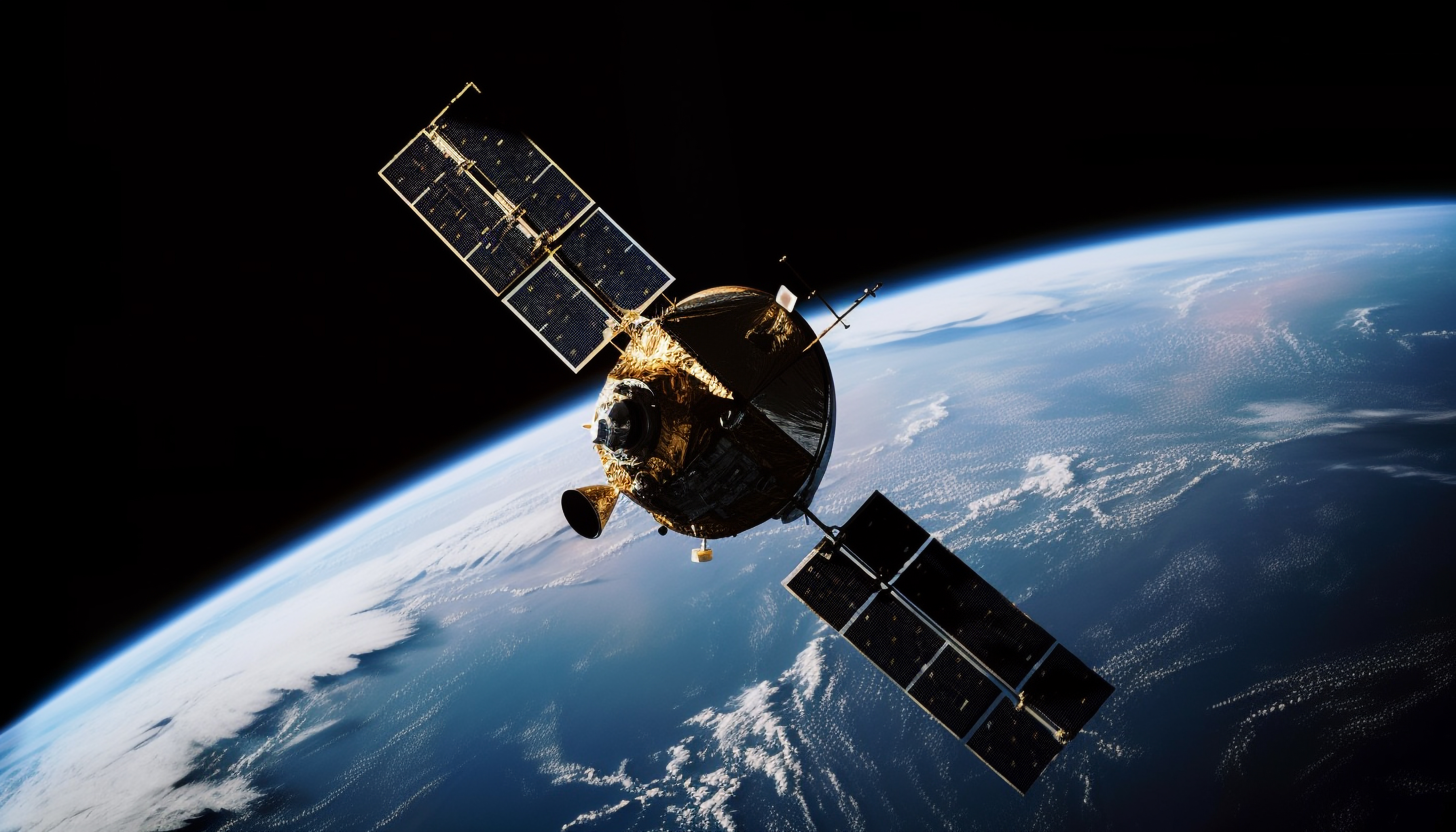
The global broadcasting system is fundamentally dependent on satellite infrastructure. From delivering television to billions of people to enabling remote connectivity, satellites are the unseen backbone of modern media. Yet, as the "New Space Economy" accelerates, the long-term sustainability of our orbital environment has become a central concern for both international policy and corporate responsibility.
The rapid expansion of satellite constellations, particularly Low Earth Orbit (LEO) mega-constellations, presents both a transformation and a significant challenge. While offering unprecedented connectivity, this growth places immense pressure on finite orbital resources. To explore these issues, we have produced a new white paper, "The New Space Economy: Sustainability in Broadcasting."
Here is a glimpse of what you will find inside.
The Hidden Footprint of Broadcast Satellites
While the sustainability discourse often centres on terrestrial infrastructure, the full lifecycle of a satellite carries a substantial environmental footprint. Our paper examines this often-overlooked impact, from manufacturing to end-of-life. Key insights include:
- Resource-Intensive Manufacturing: The creation of satellite components relies on scarce materials like titanium, lithium, and gallium, often extracted in regions with weak environmental regulations.
- Atmospheric Impact of Launches: The process of launching satellites releases emissions such as carbon dioxide, black carbon, and metal oxides into the upper atmosphere, contributing to ozone damage and climate change.
- The Challenge of Orbital Debris: Abandoned satellites and rocket fragments create a growing field of orbital debris. This poses a collision risk that can destroy operational satellites and threaten the reliability of broadcast services—a phenomenon known as the Kessler Effect.
Navigating the Governance and Policy Landscape
Addressing the sustainability of space requires robust governance. The paper analyses the current frameworks and identifies critical gaps. We delve into international initiatives like the UN’s Long-Term Sustainability Guidelines and the ESA’s “Zero Debris Approach.”
However, a significant challenge persists: the absence of standardised sustainability reporting for satellite lifecycles. This lack of transparency makes it difficult for broadcasters to incorporate satellite operations into their Scope 3 emissions and ESG strategies, obscuring the full environmental cost of global communication services.
A Path Forward for Broadcasters
As primary users of satellite infrastructure, broadcasters have the responsibility and the leverage to drive sustainable practices. The paper outlines actionable recommendations, empowering your organisation to lead the charge. You will discover how to:
- Integrate satellite operations into your ESG and carbon accounting frameworks.
- Utilise sustainable procurement strategies by partnering with operators who comply with debris mitigation standards.
- Leverage tools like the Space Sustainability Rating (SSR) to inform procurement decisions and enhance transparency.
Download the White Paper Today
The future of broadcasting is inextricably linked to the sustainable use of space. Protecting our orbital environment is not just an environmental imperative; it is essential for ensuring the continued operational viability of global satellite networks.
Discover the in-depth analysis and strategic recommendations that can shape your company's approach to this critical issue.
Download your complimentary copy of "The New Space Economy: Sustainability in Broadcasting" to learn more.

Related News

One Platform, Every Pathway: How a Unified Media Streaming Platform Combines Satellite, 5G and CDN

Sustainability and Legislation Series: Chapter 9 - What the Future Holds
Inside 5G-EMERGE's New Input to MPEG: A Blueprint for Hybrid Satellite Delivery
Ready To Start Saving?
Talk to HNR to reduce carbon emissions and costs from your digital infrastructure.
Book Demo